Issued 2026-10-10 · v09
Hacker Farm Studio presentation
First-season operating plan · applications and payments are not open
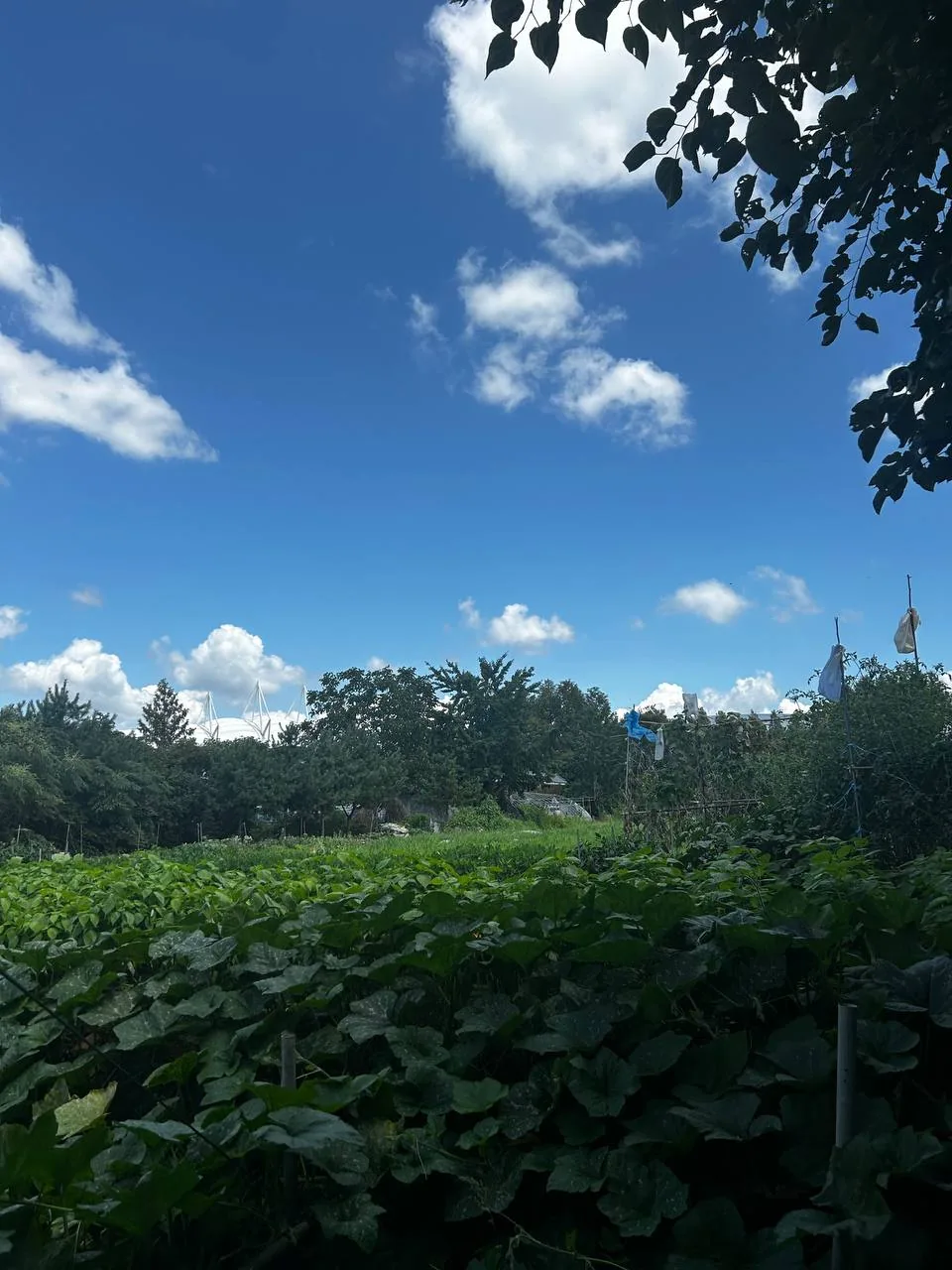
HACKER FARM STUDIO
Hacker Farm
A shared farm in Goyang
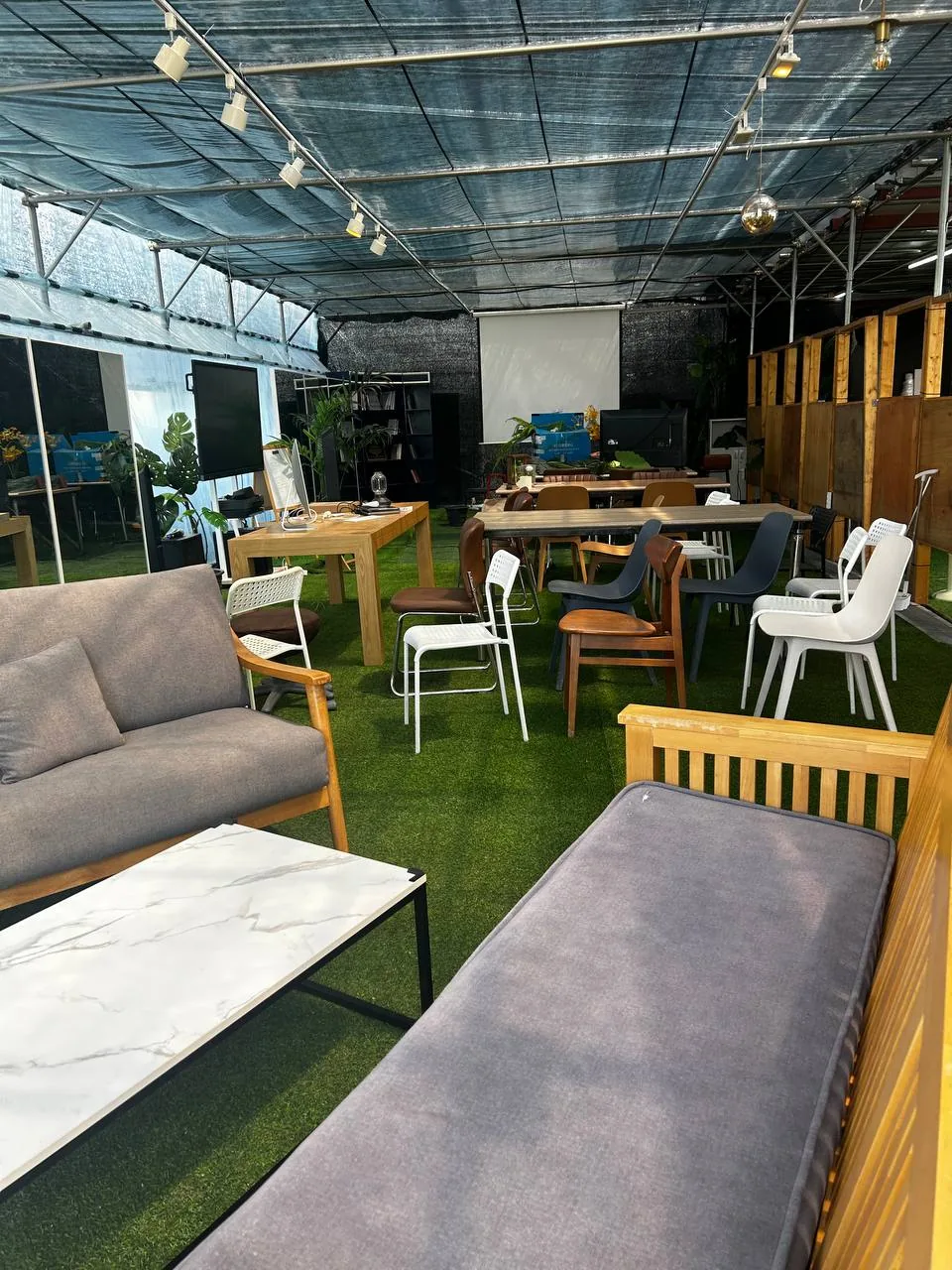
HACKER FARM STUDIO
A shared place.
Begin at a shared farm
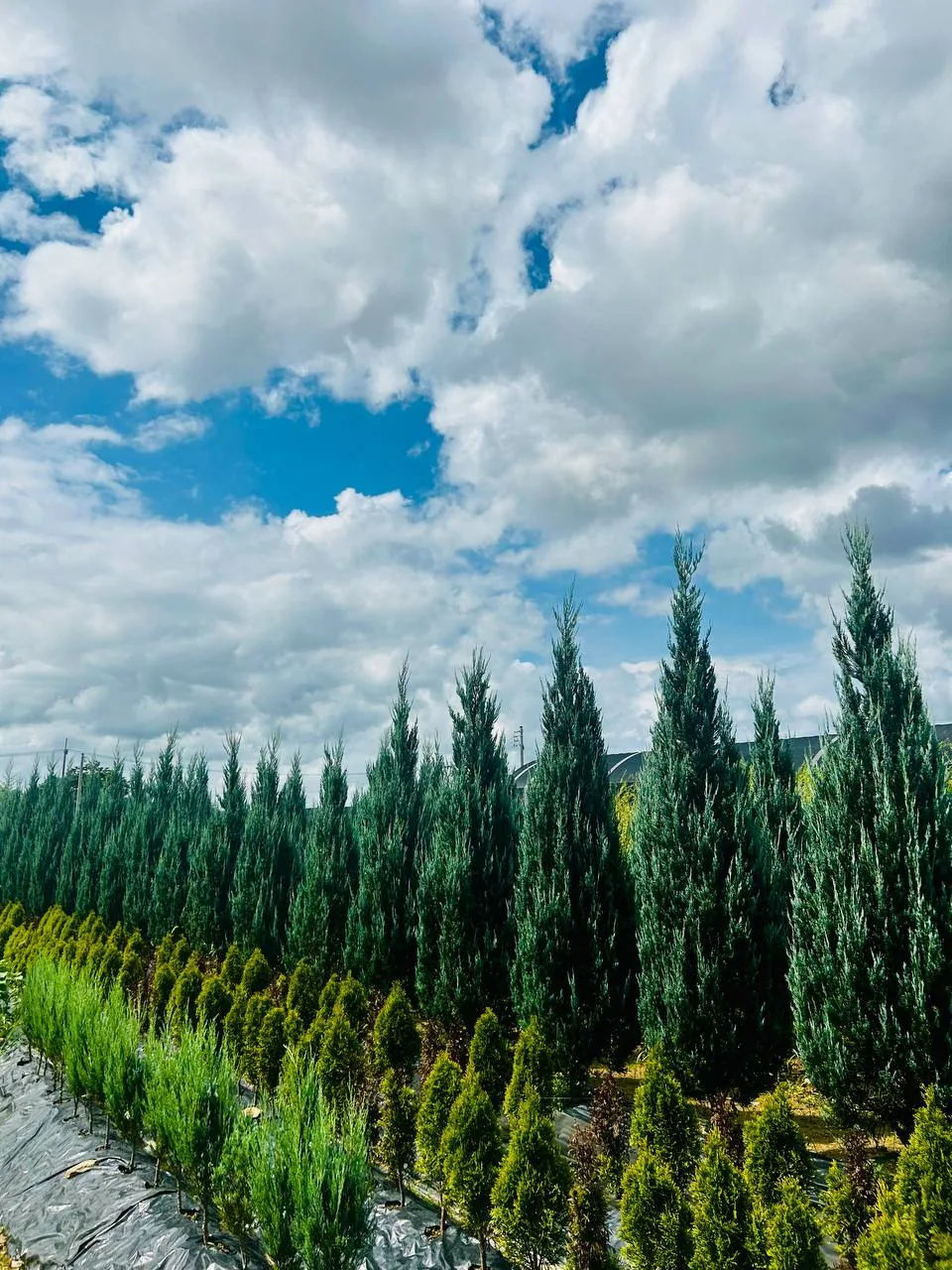
HACKER FARM STUDIO
Look closer.
One place. A different light.
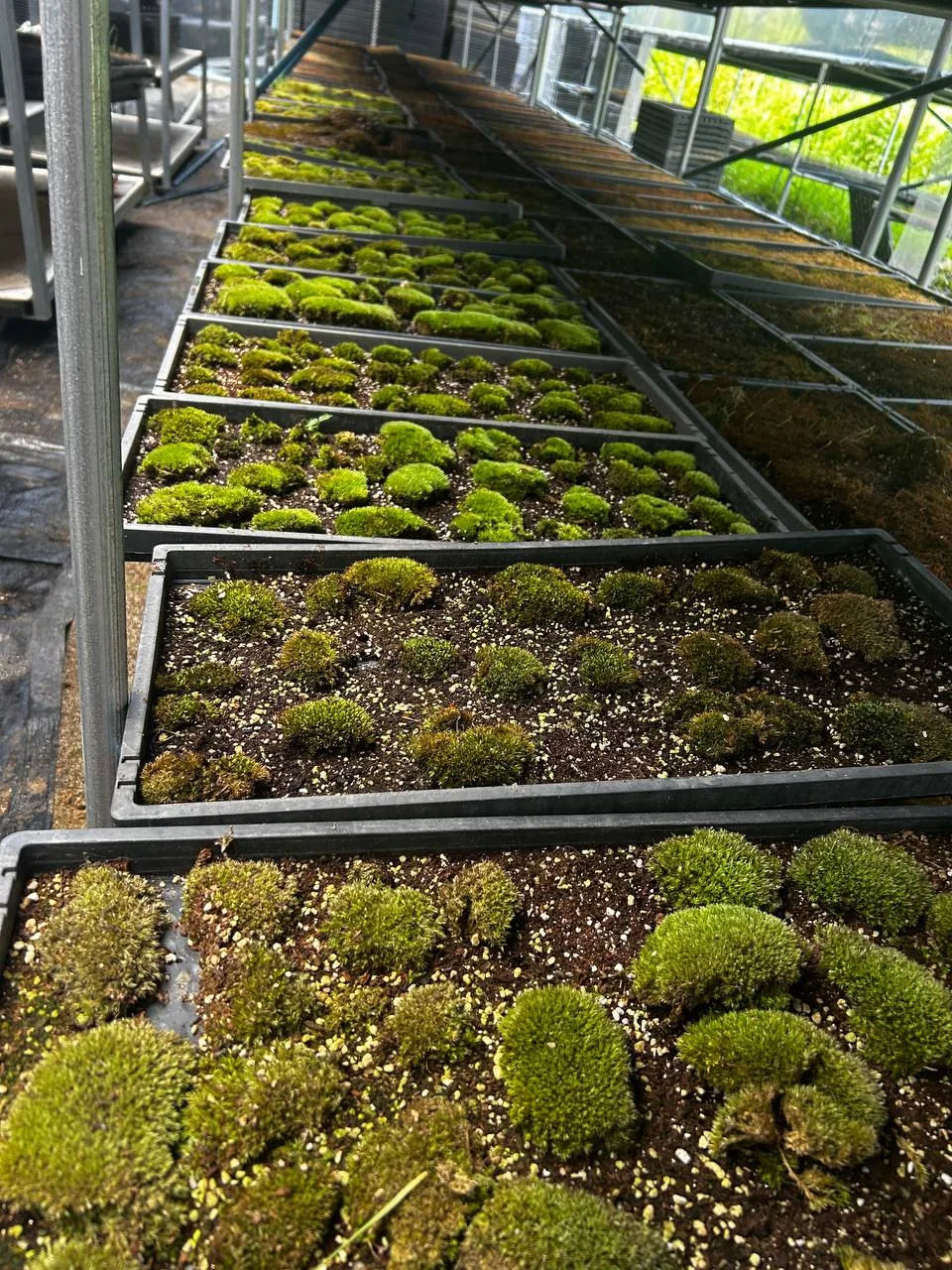
HACKER FARM STUDIO
Keep a note.
One photo. Your own words.
HACKER FARM STUDIO
Use it again.
Ready for the next person
HACKER FARM STUDIO
Make light.
A small experiment with paper
HACKER FARM STUDIO
Come curious.
No experience needed to begin
HACKER FARM STUDIO
12 weeks
Six sessions · three hours each
HACKER FARM STUDIO
12 people
Planned capacity · 3 teams
HACKER FARM STUDIO
₩360,000
Per person · 12-week plan
HACKER FARM STUDIO
Share. Care.
A shared farm. Voluntary sharing.
HACKER FARM STUDIO
One question.
Preparing for our first season
Farm photo archive · first season in preparation
Read the presentation details
1. Hacker Farm
Observe, repair and create at a shared farm in Goyang, South Korea.
2. A shared place.
A farm where questions and projects continue beyond a single visit.
- Record a change and compare it on your next visit.
- Repair a tool and leave instructions for the next person.
- Explore technology and art on their own terms.
3. Look closer.
Put photographs and impressions alongside readings of light, temperature and soil.
- Source principle: TechRice links places, devices, sensors and readings
- Adaptation: add timestamps, units, missing data and human observations
- Your starting point: three sentences about light and colour in one place
4. Keep a note.
Put photographs and impressions alongside readings of light, temperature and soil.
- Source principle: TechRice links places, devices, sensors and readings
- Adaptation: add timestamps, units, missing data and human observations
- Your starting point: three sentences about light and colour in one place
5. Use it again.
Explain where a tool is, its condition and how it can be used again.
- Source principle: QR Inventory connects an item ID with its status
- Adaptation: add photos, checks, repair history and short instructions
- Your starting point: a name, location and condition card for one object
6. Make light.
Explore structure, material and energy to give your question a physical form.
- Source idea: Solar Paper Lantern brings light, paper and energy together
- Adaptation: begin with paper models, then assess current components and safety
- Your starting point: sketch a paper structure and mark a path for light
7. Come curious.
Choose an interest, try a small action and leave yourself a next question.
- 01 Discover — choose a question about observation, tools or light
- 02 Prepare — start on your own with a photo, note or sketch
- 03 Work together — join a small team in the planned first season
- 04 Continue — use what you record to begin the next experiment
8. 12 weeks
Six three-hour sessions, every other week. Designed around three teams of four.
- Sessions 1–2 · explore the setting and choose questions and roles
- Sessions 3–4 · build small prototypes, compare records and revise
- Sessions 5–6 · test again and document the next steps
9. 12 people
Six three-hour sessions, every other week. Designed around three teams of four.
- Sessions 1–2 · explore the setting and choose questions and roles
- Sessions 3–4 · build small prototypes, compare records and revise
- Sessions 5–6 · test again and document the next steps
10. ₩360,000
First-season capacity: 12 people · KRW 360,000 per person for 12 weeks
- Planned inclusions: six sessions, basic shared tools and consumables, documentation guidance
- Outside the plan: personal equipment, specialist materials, meals and transport
- Membership covers scheduled sessions, not unrestricted access to the premises.
- Start dates, facilitators, detailed support and refund terms will be published before enrolment.
11. Share. Care.
Membership fees support preparation and the running of shared activities.
- Our operating model does not rely on property rental revenue.
- Different contributions through technology, art and observation are valued.
- You choose whether to share your work, photos and records.
- We distinguish sources from adaptations, and plans from actual results.
12. One question.
Enrolment is being prepared. Read the material and choose a personal starting point.
- Explore the three projects and the preparation suggested for each role.
- Write your question and save a personal note.
- Twelve is the planned capacity. No members have been recruited yet.
- Reading this material or saving a note does not submit an application or booking.
Downloads below are archived editions: 2026-10-10 · v09. See the v13 terms on this page for the current operating proposal. Read the participation terms ↑
Download the materials
The introduction has two pages; the presentation has 12 slides. Files are available in Korean and English.
FIRST SEASON / 2026-10-11 · v13
The first-season proposal
Proposal awaiting a field pilot. Membership recruitment, reservations and payments have not opened.
- Group size
- 12 people
- Season length
- 12 weeks
- Fee per person
- KRW 360,000
- Scheduled sessions
- 6 × 3 hours
Proposed inclusions
Scheduled sessions, basic shared tools and consumables, and documentation guidance.
Outside the plan
Personal equipment, specialist materials, meals and transport. Membership covers scheduled sessions, not unrestricted access to the premises.
To confirm before recruitment
Dates and facilitators; exact tools and consumables; insurance and safety support; refunds; parking, toilets, seating, accessible routes, wet-weather arrangements and on-site languages.
Shared-farm membership fees support joint activities. The model does not rely on property rental income.
